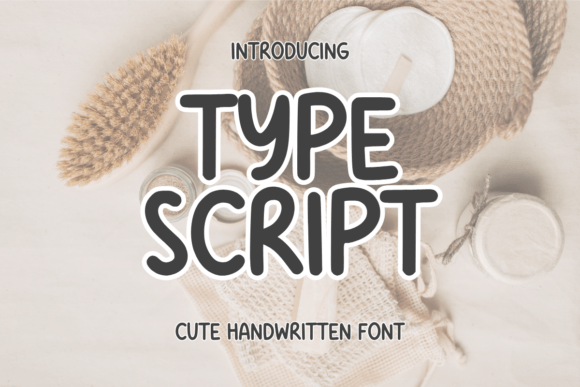
Type Script: The Handwritten Font for Creative Impact
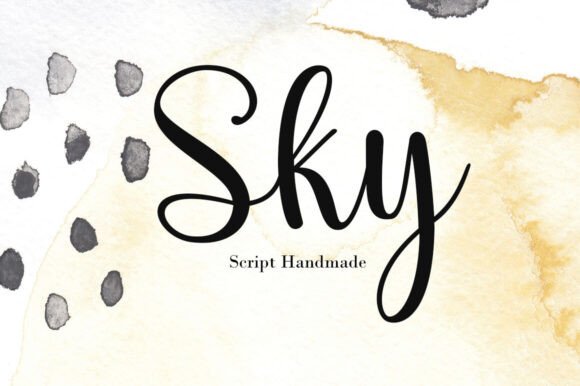
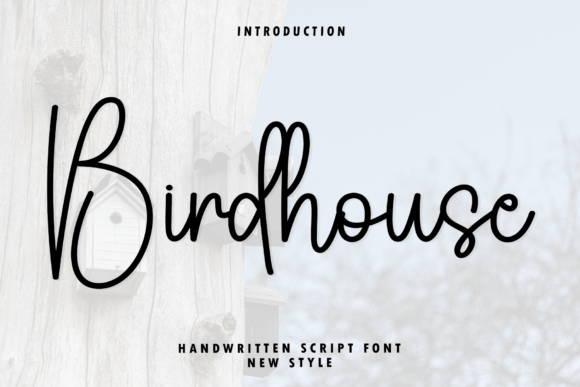
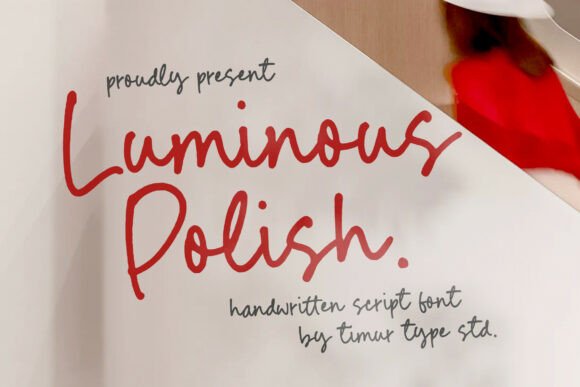
In the crowded landscape of digital design, a single font choice can make the difference between a forgettable template and a memorable brand moment. Enter Type Script, a fun, handwritten font that injects personality and warmth into any creative project, instantly creating a human connection that sterile, geometric typefaces often miss.
The Role of Typography in Visual Hierarchy
Effective graphic design relies heavily on visual hierarchy—the arrangement of elements to guide the viewer's eye. While sans-serifs and serifs often handle body copy, display fonts like Type Script are essential for drawing attention. Its organic flow and distinct character make it an excellent choice for headlines, call-to-action text, and pull quotes. By utilizing this font, designers can break the monotony of standard layouts, ensuring that key messages stand out in a sea of content.
Enhancing Brand Identity and Voice
Brand identity is more than just a logo; it is the consistent visual language that communicates a company's values. For brands aiming to appear approachable, authentic, or artisanal, a handwritten script is a powerful tool. Type Script works beautifully for businesses in the lifestyle, fashion, or food sectors, where a personal touch is part of the value proposition. It suggests that there is a real person behind the business, which can significantly boost customer trust and engagement.
Practical Applications for Type Script
The versatility of Type Script extends far beyond simple logos. Its clean yet playful aesthetic makes it suitable for a wide array of creative assets and merchandise. Because handwritten fonts evoke emotion, they are particularly effective in contexts where you want to inspire, congratulate, or motivate the viewer.
Consider using Type Script for:
- Merchandise and Print on Demand: Perfect for t-shirts, tote bags, and mugs where legibility and style must coexist.
- Digital Marketing: Ideal for social media graphics, Instagram stories, and email headers that need to stop the scroll.
- Event Stationery: Creates elegant invitations, greeting cards, and wedding signage with a bespoke feel.
- Crafting and DIY: Highly compatible with cutting machines like Cricut and Silhouette for custom stickers, decals, and SVG quotes.
- Editorial Design: Adds flair to magazine headers, scrapbook layouts, and planner covers without overwhelming the content.
Integrating Fonts into Modern Design Workflows
When incorporating a display font like Type Script into your design workflow, context is everything. In UI design, for example, handwritten fonts should be used sparingly—perhaps for a 404 error page or a special feature highlight—to maintain readability and accessibility. In packaging design, however, Type Script can dominate the label to convey a homemade, organic quality.
To maximize the impact of your typography:
- Pair Wisely: Contrast Type Script with a clean, geometric sans-serif (like Montserrat or Lato) for body text. This prevents visual clutter and ensures the script remains the focal point.
- Check Scalability: Always test your font at various sizes. A font that looks great on a poster might lose legibility on a small mobile screen or a business card.
- Mind the Spacing: Handwritten fonts often require manual kerning adjustments to ensure letters flow naturally without overlapping awkwardly.
Ultimately, the success of any visual design project hinges on the thoughtful selection of creative assets. Typography is the voice of your design; choosing a font like Type Script allows you to speak with clarity, emotion, and style. By balancing aesthetic appeal with functional usability, designers and creators can elevate their work, ensuring their message is not only seen but felt.